Showing posts with label medicalblog. Show all posts

Wednesday, 5 April 2017

NEJM Maternal Immunization Review 2017 Summary

(A medical student orientated summary of a recent NEJM review)
Most childhood vaccines do not start providing adequate protection until the infant is several months old. The immunity gap between birth and this time can be addressed by maternal immunization.

Sex hormones modify immune responses:
  • Increase in estradiol is associated with increased Th2 responses and reduced Th1 immune responses.
  • Increased progesterone levels is associated with reduced immune response in general
  • Overall phagocytic responses, alpha-defensin expression, neutrophil, monocyte and dendritic cell numbers may be increased in 2nd and 3rd trimester in general during preganacy. 
  • (may explain suboptimal responses to viral infections such as influenza in pregnancy)
  • pregnancy is not a generalised state of immunosuppression.
Evidence regarding the immunogenicity of vaccines administrated  during pregnancy is mixed

Current recommendations are for pregnant women to have influenza and Tdap (tetanus-diphtheria-acellular pertussis) maternal immunisations

Influenza vaccine:

  • Few low income countries regularly vaccinate pregnant women against influenza
  • A substantial burden of illness among pregnant women is attributable to seasonal influenza
  • The efficacy within infants after birth ranged from 30% to 63% (good for mom, ok for baby)
  • There may be potential for protection against adverse birth outcomes, two studies detected a difference in low birth weight however the others did not. One study was sufficicnetly powered to detect a difference but the promising result was offset perhaps by the overall low baseline birth weight. So perhaps the vaccine is more useful as a protection against adverse outcomes. 
  • influenza infection is associated with  an increased rate of subsequent bacterial infection particularly pneumococcal disease. (in fact a substantial proportion of deaths during the 1918 flu epidemic were probably due to strep.pneumoniae). 
  • use of maternal vaccine and infant vaccine together showed better results than infant vaccine alone in prevention of respiratory illnesses with fever and medically attended acute respiratory illnesses. 
Pertussis vaccine:
  • Young infants have a disproportionately high burden of severe pertussis in the population.
  • studies on the pertussis vaccine have shown high effectiveness and a reassuring safety profile (there were no increaes in adverse birth or pregnancy outcomes). 
  • There was a slightly higher rate of chorioamnionitis but the authors explained this as perhaps due to practice of labelling fevers as chorioamnionitis to protect from litigation in the USA where the study was conducted
  • There is concern though that the vaccine may reduce the immungenicity of the infant DTP (diphtheria-tetanus-pertussis) vaccine. With studies suggesting this, however the clinical relevance is uncertain. 
Maternal vaccines in development include vaccines against RSV (respiratory syncytial virus) and GBS (group B streptococcus).

RSV vaccine:
  • RSV is the leading cause of viral acute lower respiratory tract illness and the highest morbidity is among preterm infants. Most deaths due to RSV occur in infants
  • 2-3% of all neonatal deaths are attributable to RSV.
  • Vaccine is needed due to the high burden of RSV infection, particularly among young infants.
  • Several RSV vaccines are in development, targeting the RSV F and G proteins mainly. 
  • Given that preterm infants are a high risk group, recommendation for the gestational age of vaccination will have to take into account adequate antibody transfer for preterm infants. 
  • In the 1960s a formalin inactivated form of the vaccine against RSV for children was researched. It led to an 'enhanced RSV disease', and increased rates and severity of RSV lower respiratory illness. Thought now to be due to a lack of protective antibodies being produced with an increase in CD4+ priming in the absence of CD8+ cells. This abherrent vaccine slowed further research into RSV vaccines.
  • The benefit of a maternal vaccination is that it would bypass immunologic events that would lead to an enhanced RSV disease in infants. 
Group B strep vaccine:

  • Early onset GBS infection occurs in neonates younger than 7 days and is characterised by sepsis without a focus, pneumonia or meningitis.
  • Late onset GBS infection occurs in infants who are 7 to 89 days of age and is characterised with higher rates of meningitis.
  • Invasive GBS infection in pregnant women is associated with stillbirth
  • GBS is transmitted from colonised mothers during birth (hence why there is universal maternal screening with intrapartum antibiotic prophylaxis).
  • One in five pregnant women have evidence of GBS rectal or vaginal colonisation at 23-26 weeks. 
  • Screening with prophylaxis programmes mentioned above have resulted in reductions in early-onset GBS disease but NO reduction in late onset disease. 
  • A maternal GBS vaccine could help reduce the burden of GBS disease, particularly late-onset disease in infants. 
  • there is a trivalent vaccine in development that covers serotypes Ia, Ib and III. The global disease burden includes serotypes II and V, therefore a vaccine will need to be developed still to cover against also these subtypes
Incorporating maternal vaccines into antenatal care has been a challenge in many locations, with the maternal influenza vaccination rate in the US estimated to be around 50%.

(all the points above and images were taken from the paper linked above)

Saturday, 5 November 2016

St Emlyn's Emergency Medicine Blog

Shout out to this fantastic blog! Based out of the Manchester Royal Infirmary, St Emlyn's is an emergency medicine blog full of great insights into life as an EM doctor. There are lots of #FOAMed resources for those who are jumping on the social education bandwagon (a more modern version of medical education).
I particularly enjoyed this recent post about the risks of training in EM and why some Dr's quit and how to avoid those lows. @baombejp brings up the following points:


  • Dont expect results too fast, take the SMART approach
  • Dont fear failure, there are three ways you can react to a setback: you fly, you dive, you thrive
  • With regards to the future find the right balance between competence and confidence when progressing and be careful of the unknown'unknowns (the things you dont know you dont know ha)
  • Have a life! why have a job if you don't have a life
  • There will be ups and downs, find someone to talk to about it
The blog is full of great posts, I enjoyed reading this morning about this consultant dealing with his junior knowing more than him and the following teaching tips

Monday, 31 October 2016

Pericardiocentesis, you stick a needle where?!

Some brief notes of pericardial effusion

Presentation:
The most common presentation is Dyspnea and Tachypnea
In the later stages the patient may even end up arresting with PEA (pulseless electrical activity)

Signs:
Classical becks triad:
Jugular venous distension
Distant heart sounds
Hypotension
Other signs include: Pulsus paradoxus (drop of SBP of greater than 10mmhg on inspiration), low voltages on ECG, electrical alterans, cardiomegaly on CXR.

Risk factors:
Metastatic cancer, mediastinal radiation, end stage renal disease, recent surgery, tuberculosis
This list is very similar to the list of etiologies:
Malignancy, radiation, uremia, dialysis, infection, idiopathic, iatrogenic, post AMI.

Diagnosis:
Clinical diagnosis, best with ultrasound.
On ultrasound you may see; a dilated IVC without changein size on respiration, right ventricle collapse (in fact you may see collapse of any of the chambers).

Treatment:
Pericardiocentesis, depending on ultrasound findings and the expertise of operator, most often performed in the subxiphoid position, with a spinal needle aimed at 45 degrees towards to the left shoulder. Ultrasound is used to guide a spinal needle (keep the needle lateral to the probe so it is always in view, the same plane) into the pericardial sac, avoiding the myocardium. A guidewire and catheter can be positioned to facilitate the drainage. In an emergency setting the procedure can be performed blind or with the help of ECG lead attached to the needle (if you see ST segment elevation then you have gone too far). 
Complications of pericardiocentesis: pneumothorax, coronary artery injury, liver or stomach injury, dysrhythmias, 

Friday, 2 September 2016

September Round-Up (Medical Student gems)

Youtube Channel: Vsauce
It has to be the most interesting video channel on the internet. Michael Stevens the main host has become an internet personality and star as a result of his fascinating channel, in fact Vsauce now is spread over four channels on Youtube; Vsauce1 (linked above), Vsauce2 (hosted by Kevin Lieber), Vsauce3 (dedicated to virtual worlds and Wesauce. There are often videos about medical themes or ancient medical practises for those looking for most medically related content. I absolutely love this channel and it never fails to leave me in a completely pensive state about the universe or nature of things. 

Doctors dissected is an incredibly honest insight into the lives of Doctors. Jane Haynes (a psychotherapist) asks various British doctors (a few of them London based GP's) about the reasons they chose medicine and how they feel about the profession today. The answers are often incredibly heartfelt and you feel you really are experiencing a side of these doctors that very few people would get to see. I finished this book with a feeling that Medicine has changed dramatically over the last forty years both for the better and for the worse (its often mentioned the loss of continuity of care has been the worst loss to current medical practice). 

Twitter accounts: @NEJM @Qikipedia
The New England Journal of Medicine and The QI elves, the Kings/Queens of interesting facts (Not strictly medical account but very entertaining nonetheless). 

Webpage: Sporcle
This website, although its full of games, is a fantastic site for educational time killers. I found myself addicted to trying to name all the countries in Europe, Africa and eventually the world. So again not strictly medical, however, if you want something medical there are some medically related quizzes. For example try naming all the eponymous syndromes..

Film: The Doctor
Ok the choice is obvious and it may seem like a boring movie but this movie was the centre of my course on professionalism and there are some lessons to learn. The main character, an arrogant heart surgeon, gets laryngeal cancer and the movie follows his journey through the patient experience. 


Thursday, 1 September 2016

Junior doctors and learned helplessness; a rant.

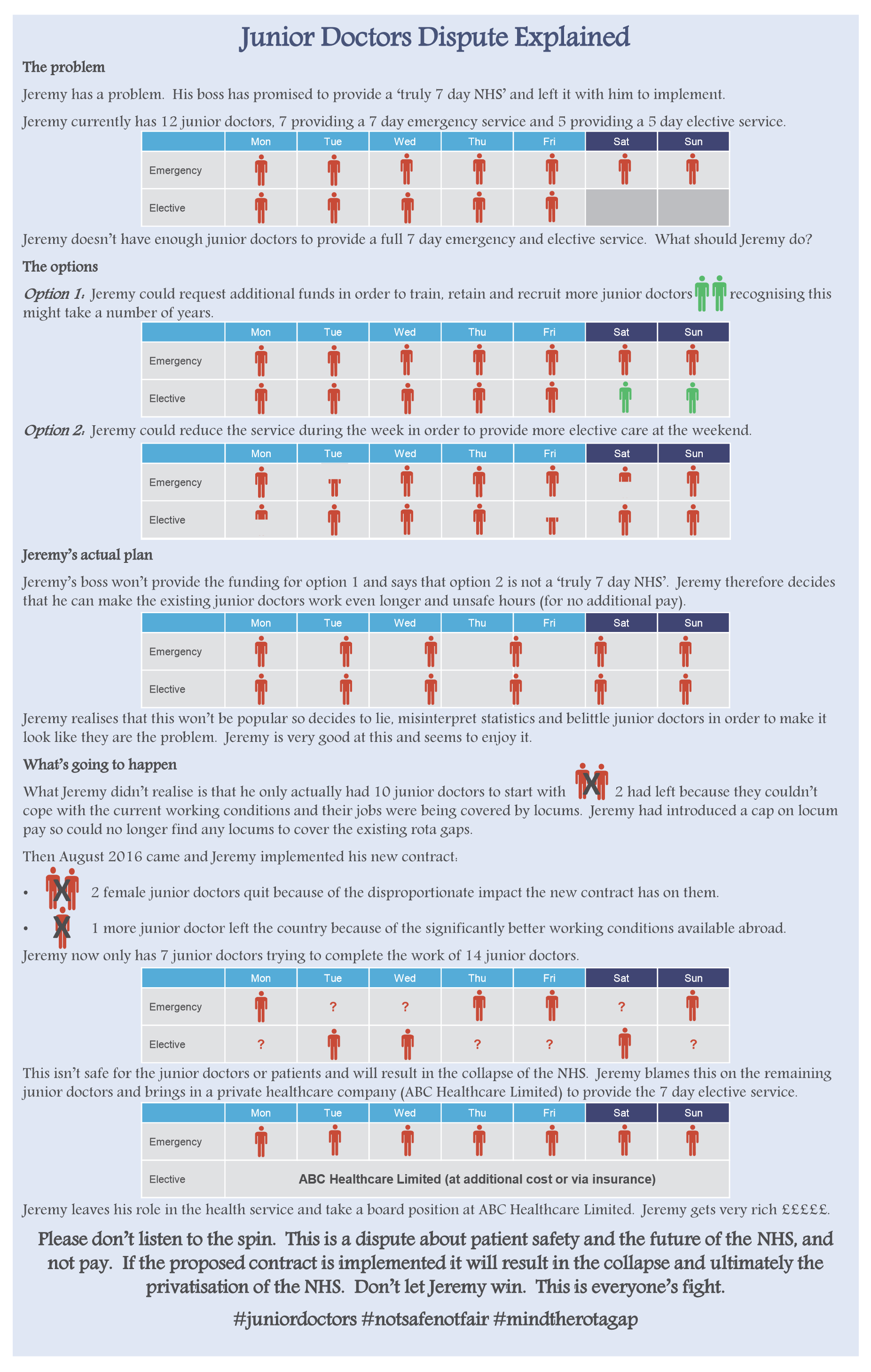
Pete Devesons's speech opposing the motion "This house believes that medicine is the best career in the world", recorded at the #BMJLive Big Debate in London on 23/10/15. Its been a rough ride for Junior Doctors but now lets take action, keep looking up. 

Sunday, 28 August 2016

End of the summer, The play that goes wrong!

So tomorrow I'll be hopping on the plane back to Italy to start and hopefully finish my final year of med school. It's been a long road and after receiving this wonderful email just a few days ago I am excited for a future in the NHS and as a Doctor.


So the hopefully if I'm not to busy on the wards and in the library I will be regularly posting on my blog some hopefully interesting and educational stuff this year. My email is isntthtpleasant@gmail.com and I'm keen for any ideas or questions about the blog, also if anyone wants a free tour around Milan, just drop me a line.

On another note, I saw this play in London over the holidays and it is incredible!
http://www.theplaythatgoeswrong.com/london
It's a simple comedy all based around a play about a murder that all goes wrong and its absolutely hilarious, I was laughing from start to finish and it suitable for all ages (I took my summer school kids there).


Saturday, 27 August 2016

CPR It's easy actually


So continuing on from my last post on first aid although slightly on a tangent, I just want to drop some points on CPR (cardiopulmonary resuscitation). Its actually easy and could well help YOU save a life one day.
Vinnie Jones gives a breakdown in the video above;

Call an ambulance!*
120 compressions a minute (to the tune of 'staying alive' by 'the beegees')
If you are out on your own without a ventilator, no breaths
Compress the sternum (the bony middle of the chest)
About 5cm deep or 2inches
Two hands with arms straight and locked, use your back
Allow chest to fully recoil after each compression
Dont stop until the ambulance arrives

*(and get someone if available to find a public defibrillator and follow the instructions on the case)


Thursday, 25 August 2016

First Aid Saves lives! part one Airways

Just got back from a mandatory first aid course at work, being a medical student and having done first aid courses before, it was easy to think I already knew it all. I was surprised at how much I learnt from the experience. 
The first thing I learnt was some shocking statistics;
  • Two thirds of people in the British public couldn't save a life in the event of an emergency.
  • over a quarter of people who said they knew first aid would of done the wrong thing in an emergency (for example if someone was choking they would put their fingers in the persons throat to relieve the obstruction (pushing the obstruction further down))
  • In the UK, less than one in ten will survive a heart attack while in Norway over 25% will, most likely due to the fact most people in Norway are able to perform CPR (First aid training being mandatory in Norwegian schools). 
I'll try an give a concise summary here about what was covered. also big thanks to Actual First Aid for the excellently run course. 

When approaching an emergency or an unconscious individual the mnemonic to use is:
DR ABC

D is for Danger. 
First, make sure its safe to approach, we dont want to generate another casualty for the ambulance to deal with. A classic example would be a car crash situation and oncoming traffic, a second crash?

R is for Response
You need to determine if the casualty is conscious, check this by asking a simple question."are you ok", perhaps they cannot respond verbally, so ask "can you open your eyes". if there is no response, you should call for help and contact the emergency services and move onto ABC. 

A is for Airway
The tongue is an incredible muscle, unlike the muscles in your arms and legs, the tongue is only attached at one point. The picture below highlights the tongue (purple) and its singular attachment at the bottom of the mouth in a cadaver. When someone loses consciousness the tongue relaxes completely and falls back slightly covering up the airway (not the thin route to the airway in the cadaver).(By the way its impossible to swallow your tongue, just try it).


The airway can be opened by gently tilting the head back by applying pressure to the forehead with your hand. HOWEVER, its possible in many situations that the casualty may have sustained a spinal or cervical spinal neck injury. In this case movements of the head and neck are to be avoided if there is any suspicion of neck injury. So how do you open the airway?
The best way to open the airway in this case would be by dislocating the jaw and bringing the jaw forward the so called 'jaw thrust' maneuver.
This is performed by placing three fingers behind the angle of the jaw close to the ear and with your thumbs applying pressure to the cheek bones below the eye, you pull the jaw forward and out so that the head doesn't move. (the movement of the jaw, pulls the attached tongue forward as well, allowing air to pass).

B is for Breathing
not breathing? you should consider CPR see part two...

C is for Circulation
no pulse? you should consider CPR see part two...

Sunday, 12 June 2016

Acute Otitis Media

Acute otitis media (AOM) is a frequent disease in childhood with over 90% of children over three years old having had at least one episode. It is a difficult diagnosis and the major cause of antibiotic misuse and abuse. (AOM is the most common indication for antibiotic prescription).

Definition:
Rapid onset of signs and symptoms of acute infection within the middle ear with evidence of effusion.
(recurrent OM: 3 or more episodes of AOM in the previous six months or 4 or more in the last 12 months)

Why so common:
It is to do with the eustachian tube in children being smaller and more horizontal than in adults (<10degrees, in the adult >60degrees angle). The nasopharnyx is a carrier site for many pathogens and their virulence is increased after a viral illness typical of the winter season such as influenza or rhinovirus. This explains why AOM rates are increased after the winter season and in children that attend daycare (lots of children mixing viruses).

Etiology:
the so called infernal trio is responsible for majority of AOM cases through all pediatric ages:
Streptococcus pneumonia
Haemophilius influenze (non typeable (NOT HiB!!))
Moraxella Catarrhalis
(could add Group A Beta Hemolytic Streptococcus as the fourth agent).

Complications and consequences:
Potential for developmental delays
Chronis effusion requiring tympanostomy tube insertion (30% will undergo repeat infection within 5years)
Mastoiditis! The rates are increasing now, this means admission to hospital with IV antibiotics and can result in severe CNS complications

Risk factors:
Daycare (six children appears to be the cutt off), tobacco smoke exposure (dont forget 3rd hand exposure parents!), seasonality (more in winter and spring), bottle feeding, use of push-pull top bottles (negative pressure in the middle ear draws bacteria up), pacifier use, obesity, cleft palate, Male more,
African americans more.
(exclusive breastfeeding upto 6months reduces AOM rates compared to formula fed)

Diagnosis:
Correct diagnosis is essential, do not treat unless the diagnosis is sure
Acute onset of symptoms
Inflammation of tympanic membrane (assess with penumatic otoscope)
Presence of effusion (will appear as bulging tympanic memebrane on otoscope)

Symptoms:
Classically earache, fever and irritability
The symptoms of AOM are often nonspecific and no one symptoms is present in more than 50% of cases, look at the ear!
Use the COMPLETES mnemonic in assessing the ear: Colour, Other, Mobility, Position, Lighting, Entire surface, Translucency, External ear, Seal.
About half the children will have obstructing cerumen which can be a problem.

Treatment:
Pain managment with paracetomol or ibruprofen
(Paracetomol 10mg/kg/does max 4grams)
Antibiotic therapy is based on Age, laterality and severity
give antibiotics to: all children under six months, all children between 6months and 24months unless unilateral and mild and to over 24months only for severe bilateral disease. in all other cases use the watch and wait approach.
Amoxicillin 80-90mg/kg/day divided in 2 doses max 3grams/day
Up to date with vaccinations, note: Pneuomcoccal vaccine has decreased AOM RATES

Saturday, 21 May 2016

Complications of Measles

Nice easy rule to remember the complications of measles; the rule of tens.


10% Otitis media

1% Pneumonia 
(make sure you discriminate viral from bacterial pneumonia in this case. Viral pneumonia caused by measles itself will be concomitant with the rash. Bacterial pneumonia caused by co-infection will appear 1-2 days after the rash has gone.)

0.1% Meningoencephalitis 
(another nice little division here is in quarters; 50% will be cured and fine after measles meningoencephalitis, 25% will have some kind of neurologic sequele and 25% will die! this is the reason we vaccinate people with the MMR vaccine!)

0.00001% Panencephalitis
(this occurs many years (average 7 years) after measles infection and for most means death, another good reason to vaccinate with the live vaccine unless you are immuno-compromised of course)

Other complications: Diarrhoea (most common), Seizures (as rare as meningitis)

(Measles mickey, a reference to the measles outbreak in Disneyland)

Wednesday, 4 May 2016

Paediatric UTI's

Paediatric urinary tract infections, are the second most common type of paediatric infection after respiratory tract infection. And the second most common type of bacterial infection in children after acute otitis media. Early recognition and prompt treatment are important to prevent progression to pyelonephritis and renal scarring. 

Etiology:
In very young children and infants the origin of UTI is most likely from hematogenous spread, whilst older children and in like adults the origin is from an ascending infection originating from the perineal area.
More frequent in females except for the first few months of life where it is more frequent in males, due to the fact malformations are more frequent in males and tend to present early. Obstruction to renal flow is a major risk factor, as urinary stasis provides the perfect environment for bacteria to grow.  A short urethra is what predisposes girls to UTIs.
If a child is having recurrent UTI's suspect a urinary tract malformation.
E.coli causes 75%-90% of UTI episodes, other bacteria include klebsiella, proteus and enterococcus spp.

Presentation:
Varies with age of the patient. Neonates and infants are more likely to present with non specific symptoms such as; poor feeding, vomiting, failure to thrive, jaundice, hypothermia/fever, diarrhoea, strong smelling urine.
At around preschool age UTIs will present with more nephrogenic symptoms as well, such as dysuria, urgency and increased frequency.
Adolescents are more likely to have the classic adults symptoms. Important to note that adolescent girls are more likely to have vaginitis.

Diagnosis:
Diagnosis is classically difficult and based on urinalysis, urine culture, blood tests and imaging. bear in mind that urine test is not enough for diagnosis and culture is needed.
Urinalysis: typically leukocyte esterase and nitrites positive with presence of WBC sediment, the combination of these three has the highest sensitivity.
Urine culture: There are four ways in which urine can be sampled for culture in children.
-Suprapubic aspiration (sterile procedure, good for infants, obtains very good sample, bladder easily sampled with low complication rates)
-Bag collection (high chance of contamination thus, can be used to rule out infection is negative culture, but positive culture must be suspected to be a false positive), if you use a bag clean area well and bag must be changed every 20minutes to keep sterile, not recommended by CDC)
-Midstream collection (difficult in children, generally from only 3 years age in male children, make sure perineum area is cleaned well before hand)
-Catheter collection (performed as a sterile procedure, risks urethral trauma and introducing bacteria, used more for children with malformations in the urinary tract)
A clean catch urine sample with more than 100,000 CFUs (colony forming units) on culture of a single organism is classic criteria for UTI (>1000 CFUs for suprapubic aspiration). If there is growth of more than one organism consider that sample was contaminated.
Diagnosis in young children requires pyuria (>10 WBCs/mm3 in urine) and positive culture of a single pathogenic organism.
in older children and adults a single positive culture is enough.

Imaging:
Typically delayed by 3-6weeks unless urinary tract obstruction suspected or the child has an atypical UTI.
First line is Renal Ultrasound, it can spot many urinary tract abnormalities and is quick and cheap. However it poorly depicts the ureters and gives no functional information.
Micturating cystourethrogram (MCUG) shows anatomy well and can detect vescicoureteral reflux.
Nuclear cystography used when MCUG not possible and is great for serial follow up as radiation lower than in fluoroscopic studies.
Nuclear cortical scanning is best to see damage to kidney or presence of scarring. most frequently done with Tc11mDMSA. remember that it does not show the collecting system.

Treatment:
Initiate treatment immediately after culture drawn this reduces severity of damage to kidney (don't wait for culture results).
Antibiotics: 7-14 day course is standard (evidence that 2-4 days can be effective in lower urinary tract infections, if you can confirm no reflux). Oral treatment and parenteral treatment are equally efficacious as long as dosage correct. IV antibiotics recommended in children unable to tolerate oral therapy and infants less than one month until systemic infection ruled out.
In neonates: Ampicillin + Gentamicin/Cefotaxime
if you suspect an infected line or instrumentation cover for staph spp. with Vancomycin

Prevention:
Recurrent UTIs in 15% of children, quite often in children with malformations of the urinary tract (also without, 20% without any). Prophylactic antibiotic therapy is being debated and efficacy questioned.
Prophylaxis with Cotrimoxazole or Nitrofurantoin given at bedtime (to concentrate in bladder overnight). Nitrofurantoin is theoretically much better because it selects for the urinary tract however it commonly causes vomiting and hence is unpopular.
If recurrent UTI diagnosed then further imaging studies are recommended. 

Last notes:
-An atypical UTI is one where the child is seriously ill or has one or more of the following:
poor urine flow, abdominal mass, raised serum creatinine, septicemia, infection with a non E.coli bacteria, failure to respond to treatment with suitable antibiotics within 48hours.
-The term UTI includes Cystitis, pyelonephritis and renal abscess (actually difficult to determine is upper or lower tract infection in children.
-Uncircumcised males have higher incidence if UTIs than circumcised males.
-Failure to thrive, feeding problems and fever are the most consistent symptoms
-Positive leukocyte esterase and nitrites dipstick test has sn 70% and sp 99%
-Bacteremia in 5% of cases of pyelonephritis.

Monday, 25 April 2016

Children are not little adults

Starting Paediatrics today, its important to realize that the medical approach to children can be incredibly different than that to adults. Children differ from adults physiologically and in their exposure to the environment, here is a list of some important points to consider when dealing with a paediatric patient: 
(this post is based on the WHO document linked here, reference are included within that document)


  • Minute ventilation per Kg bodyweight a day is higher in children. It is around 600l in <1year old  which is 3 times the value of an adult, 200l. Therefore environmental toxicants will be delivered to the airways of a child at a higher level than adults. for example: ozone, lead, particulates, nitrogen oxides, mercury, moulds, volatile organic compunds etc. 


  • Calorie and water needs are higher in children. Cal/kg/day and ml/kg/day have higher values in younger children, its pretty obvious considering their anabolic state and growth demands. Therefore oral exposures are likely to be higher in children, think of pesticides or mycotoxins that are common in food. I could mention here that a vegan diet may be harmful to children since their calorie demand is so much higher (even though I'm an avid supporter of plant based diets). 


  • Gastrointestinal absorption is higher in children and dynamic. For example a child may absorb 70% of ingested lead while an adult around 5-20%. There are microbiome changes throughout childhood, contributing to digestion and absorption. important considering pharmacokinetics, always prescribe drugs in mg/kg not by single doses. 


  • Renal function: GFR (glomerular filtration rate) is low at birth (around 10-15ml/min/m2 for a normal full term newborn) and doubles in the first week of life (cirtical period). GFR reaches adult values by around 6-12 months, the general rule is 8 months. tubular function is impaired (secretion) at birth and is normal by 1 year of life. 


  • Hepatic function: The activity of phase 1 enzymes are reduced and mature at different rates as child grows. in fact activity of these enzymes can then exceed adult rates between 6-12 years age. phase two enzymes are ready at birth for processes such as conjugation and acetylation. Therefore metabolites of xenobiotics may differ between adults and children, even if rates of metabolism are the same. 


  • Transplacental exposures: Many chemicals and drugs cross the placenta, including mercury, lead, substances of abuse, alcohol etc. We all know the story of thalidomide. Also physical factors can affect the baby such as heat and ionizing radiation. important thing to point out here is that maternal exposures do matter!


  • Breastfeeding: Breast milk is the safest and most complete nutrition for infants, so mothers should avoid toxic exposures. We use breast milk to spot environmental contaminants, its very likely that you reading this have DDT in your fat because your mother was exposed to it as a child. Lipophilic chemicals are especially good at transferring in breast milk, hence why we don't prescribe quinolones for breastfeeding mothers. 


  • Size and surface area: The ratio between skin/surface area to body volume/mass is much higher in children, about 3x for a newborn compared to an adult and 2 times with an infant. therefore dermal exposures may be much higher in children, children also tend to have more skin abrasions/cuts and rashes which make it easier for germs/contaminants to cross the skin barrier. Very important to consider the surface area in children when dealing with burns.


  • Organ and system development: the organs in a childs bodie grow and mature throughout childhood. Neuron growth and maturation (myelination and synpatogenesis) continues right the way through puberty, The respiratory system continues linear growth after birth so any exposures to toxic compunds (tobacco smoke! ozone etc.) can have very adverse consequences. The immune system is also actively maturing throughout childhood.

In summary, children have unique and differing-to-adults exposures and a highly dynamic developmental physiology. Combining this with a longer life expectancy and the insidious effects of environmental toxins, it is very important to consider the world/environment we leave behind for children to inherit. 
Children have a completely different pharmacokinetic profile and can be exposed in a variety of ways, so its also important for physicians to be vigiliant in paediatrics pharmo-prescribing. 


Bonus point: Introducing a food early to children does not increase their risk of allergies, NEJM editorial.


Saturday, 23 April 2016

So you want to learn a new language...

Today is the United nations world English Language Day So I've decided to share the many methods I used to learn italian, that should apply to learning any language (even English).

First of all before even considering the list below, hands down the best way to learn any language is to live in a country and with the people that speak that language.

Here a list of what I use to learn languages:

  • Babbel: costs a little but offers a comprehensive course for many languages at all levels, i got a super cheap membership with so random GroupOn deal, anyway moving on.
  • Duolingo: its completely free! this app is great to practise the basics, you can even compete with friends. 
  • Grammar books: the back bone of learning grammar is practise, find a textbook like this just full of simple exercises.
  • Dual language books: in my opinion utterly useless, but I didn't stop me using them for many years. 
  • Skype language exchanges: Tandem is particularly good, also heard about Hellotalk.
  • Blogs: there are absolutely millions of language blogs, you have to sift through them to find a good one like this and this, best of all they are completely free!
  • Podcasts: this coffeebreak series by radiolingua is incredible and again freeeee!
You dont have to spend any money to learn a language it only requires dedication and of course hours of practise practise practise.
I found this book really helped, Fluent Forever by Gabriel Wyner.

Thursday, 21 April 2016

Creativity, it's more than practise

Summary and interpretation of this interesting article by Scientific American on creativity.

Creativity doesn't fit the old adage of 'practise makes perfect' or deliberate practise. It needs to be original, meaningful and surprising (as defined by the US patent office). Here are some tips and realities about creativity:

  • Creativity is blind: often luck plays a role
  • Creative people often have messy processes: your most creative work may come before your worst piece of work, it can be random.
  • Creators rarely receive helpful feedback: standards are constantly changing, so you cant rely on feedback.
  • The 'ten year rule' doesn't apply to creativity: you don't need ten years to become an expert as in many trainable skills, but time does help.
  • Talent isn't relevant: talent is simply 'the rate that someone gains expertise', since expertise isn't always required it isn't necessary. talent will help a creator learn what already exists. 
  • Personality is relevant: creators tend to have a more independent, unconformity, risk taking and unconventionality based personality. They also tend to be more open to new experiences.
  • Genes are relevant: genes determine personality and behaviour 
  • Environment also plays a role: perhaps the biggest conrtibutor to creativity, look for a new environment and a great mentor. 
  • Creative people have broader interests and more versatility: cross hobbies, dont focus on one occupation/topic/pasttime. 
  • Too much expertise can be detrimental to creativity: for example learning everything there is to know about creative writing will limit your creative writing ability in terms of creativity (counter-intiutive I know)
  • Outsiders often have the creative advantage

"I hope I have convinced you that creators are not mere experts. Creativity does draw on a deep knowledge base, and delibrate practice can certainly contribute to many aspects of creativity, but ultimately creativity involves much more than just deliberate practice. Creators are not necessarily the most efficient, but their messy minds and messy processes often allow them to see things others have never seen, and to create new paths that future generations will deliberately practice."
-Scott Barry Kaufman


Monday, 11 April 2016

Dont waste your BREXIT vote

On the 23rd of June a referendum will be held in the UK to decide whether Britain should stay in the EU or leave (Brexit). Leaving the EU will put restrictions on free trade, free movement of labour and affect our global trading power (as well as security, believe it not). Brexit will be a nightmare for expats abroad and students like myself studying in Europe (because of restriction of free movement, VISA, taxes etc).
Admittedly the statistic that Britain pays more than they get back is true in terms of hard cash but if they were no longer in the EU that difference would be much larger. Of course the actual effects of Brexit or staying in will all vary depending on the deal that is made with the EU after the voting.
A good explanation by the BBC linked here.
This link shows you how you can vote while abroad. I for one will be rushing to make sure I get my vote in, as BREXIT will be bad news for me, a student abroad. UK governments own advice link.


Sunday, 10 April 2016

April round-up (Medical student gems)

Youtube Channel: theedexitvideo
TheEDexitvideo channel run by Dr Carlo Oller gives great insight into life as an emergency department physician. It's a wonderful educational resource with the personal touch of a real down to earth honest doc.

Book: How Not to Die
Dr Michael Gregers book has been a long time in the works. Finally released last autumn, how not to die is a must read for anybody with an interest in nutrition. It even got me munching on plants more often.

Twitter accounts: @HansRosling @ShaunLintern 
Professor of global health at the Karolinska institute, creator of Gapminder.org and the Gapminder foundation, Hans Rosling. Sign up for his entirely free online introduction to global health course at eDX. Shaun Lintern a patient safety correspondent and a good one to follow to keep in touch with various issues with the UK health system.

Webpage: Global burden of disease
This interactive website run by the Institute for Health Metrics and Evaluation, is just fantastic. You can play around with the various graph styles, regions and income groups to have a really clear world view on the impact of diseases in the different groups. 

Film: Sicko
This famous Michael Moore documentary looks gives insight into the drawbacks and horrors of the American health system, although slow to start it is quite shocking. His latest documentary ‘where to invade next’ flopped, however Sicko is iconic Michael Moore at his best.

Saturday, 9 April 2016

'I did the training, got the T-shirt, but are you willing to be your life on me?' The Medical simulation revolution

Attended a fantastic lecture by Mark Bowyer an ex trauma and combat surgeon, now professor of surgery at Uniformed University (where American Army doctors study medicine). 
The lecture was all about the different types and benefits of medical simulators available, particularly in surgery and combat medicine. 
Dr Bowyer started off by talking about the current state of medical training, a world where most medical students learn from books and lectures and are expected to perform without mistakes on real patients when they start work. Does written performance translate to technical performance? He showed a video of a fifth year medical student who had passed all the life support courses and written exams and in a practical exam on intubation put the laryngoscope in the mouth of the simulation doll the wrong way round.  The old mantra of 'see one do one teach one' that I myself have heard many times on the surgical ward is outdated and even dangerous. In fact healthcare itself is one of the most dangerous professions, up there with bungee jumping and mountain climbing. He jokes 'I did the training got the T-shirt are you willing to be your life on me?' Surgeons have to know around 120 procedures to pass their board exams and be described as proficient. 60 of these procedures surgeons practice on average less than 1 time per year.  We all want doctors that are safe, competent and proficient. Many doctors will only get the opportunity to 'practise' on patients themselves and with stats like those above they may not even get that opportunity often. In fact these days there is less tolerance for errors and on top of that training times have shortened, what's the solution? Dr Bowyer believes the answer is medical simulation.
An important thing about simulation is that you can allow people to fail, because well like it or not, it does happen. You can repeat interventions as many times as you like, develop goal orientated practise and use it as a teaching tool. These days most methods are expensive, (medical education is expensive in general though) but as the industry grows, hopefully we will be seeing more of it. It's a powerful tool and we are probably just entering a new age of medical education as it grows. Dr Bowyer spent the second half of the presentation describing the various methods of solution available and their pros and cons. Before starting medical school I was a simulated patient for the UK OSCE exams, I had to pretend to have various symptoms like hearing loss, blindness and at one point some respiratory condition. Simulated patients provide an optimum human experience; history taking, physical exams and re-enacted disaster scenes, you can't get much more real than dealing with a living breathing human being. Dr Bowyer had a volunteer simulated patient who had already lost his legs in battle enacting a scene that his legs were blown off with fake blood on the ends, a powerful image for new army doctors. How do you prepare someone for the 'image' of trauma.? Part task trainers is another method of simulation for example peritoneal lavage (simPL) simulation. Students can puncture a synthetic membrane (made to look like abdomen, with umbilicus etc) with a needle that is tracked on a computer screen in front, the simulator mimics the pop of crossing the fascia and the peritoneum. Another way this technique can be trained is on a pig. Animals however do not have human anatomy and a small study comparing the computerised synthetic membrane to pig for peritoneal lavage showed better site selection and seldinger technique with the synthetic model. Working with the gaming industry and virtual reality technology, there is an expanding market of surgery simulation games. Some less professional like the very entertaining Surgeon Simulator 2013 but some more more didactic and professional as Touch surgery.


Dr Bowyer showed some incredible examples of 'virtual environments', another new medium for medical simulation. In these virtual environments you can simulate sounds, smells, scenery, noise, smoke, gun fire and much more (air cannons were used to simulate bombs going off nearby). One such environment had a helicopter platform that tipped and rolled just like a real helicopter, where the soldier could simulate getting a patient aboard and then treating him/her while the helicopter 'flew'. Just check out this WAVE (wide area virtual environment) simulator: https://www.youtube.com/watch?v=ineGH9Smce0
With the enrolment of multiple actors and simulated patients, you can simulate mass casualties and disaster zone situations using this technology.

When it comes to surgery, there are already simulators available for laparascopic and robotic surgery but the real challenge is open surgery simulation. A model of open surgery needs to act like human tissue, be anatomically correct and bleed in a realistic fashion. There has already been some success with visco-elastic foam models. One such model was used to teach doctors going out to Irag the correct procedure for fasciotomies and will have saved many legs from amputation. wouldn't you rather train on a simulator before performing an amputation tomorrow?
Now there are even simulators in development for teaching c-sections to third world countries.
Medical simulation is the new revolution in medical education! hopefully we will see one day a standardized curricula based on physical models that is consensus driven, validated, proficiency-based, offers remediation strategies and assessable to all. 
Cricothyroidotomy training simulator

Tuesday, 29 March 2016

Optimism and how I'd rather just laugh

It's been a long day for me, I'm writing this on the 23:33 train from Luton airport to Bedford and feeling a little philosophical. Might be a pretty boring story so I recommend cutting to the final paragraphs for the point.


Woke up this morning on the bus to university, my morning routine a blur through sleepy eyes. Morning surgery starts at 7:30am, so as usual I was on the 7:18 bus to the hospital listening to the Joe rogan experience podcast. It was episode 764 with Duncan Trussell the comedian and good friend of Joe's. Duncan had a little crazy rant about how people get annoyed so easily and the pettiness of daily life. He was saying how optimism and positivity even for the little things would make life so much brighter.


I was lucky to get to spend the entire morning in the operating theatre, put some stitches did some ultrasound, love it. The last case was gruesome, transmetatarsal amputation of the foot, seeing a toe sawn off (and it's literally sawn off with an electric bone saw) is not terribly easy to watch but the surgeon did a great job (textbook, I read about the procedure before and he matched it point for point).
The afternoon was a rush of packing, lunch (pizza to say goodbye to Italy) and goodbyes (my korean flatmate and wonderful girlfriend). Before I knew it I was going through customs.


My phone buzzed after getting through customs, “you flight details have changed”. My flight was delayed 30minutes, shit. I had booked a train that left an hour after my flight touched down. This was the start of what could of been a very frustrating evening.


Airports are funny places, people from all over the world from all different backgrounds congregate briefly in the departures lounge while they wait for their huge steel transport to fly them away. (Ever thought about planes, how the flip do those things even fly, a 747 weighs 400 tonnes, there definitely some kind of magic going on there). Screaming kids, smokers in their tiny smoking closet, old, young, businessmen, stoners, they are all here like some kind of multicultural Royal rumble.


The flight delay meant I had exactly 40minutes from flight landing to the train leaving. As I passed the lady who checks boarding passes she said the plane was too full and my handluggage and others must go in the hold and my bag was whisked away, I just managed to pull my book out just before it was gone.


The flight was pretty uneventful, well at least compared to the flight where a window blew out I was on once (I'll post about that another time, it's a good story and ends with free pizza ha). The couple next to me were very much in love or something, they spent most of the flight making out. I think she had thing for ears, the guy would turn to read part of his guidebook now and then, but she would just keep kissing in his general direction, mostly in his ear, noisy stuff. The kids behind me must of confused my seat and the couple's as a drum set or punchbag. That was the only moment the lady next to me stopped inserting her tongue in mouths or ears, she turned and gave the two ‘little shits’ (her words not mine) an angry look and they stopped.


The flight landed on time (delayed time) and we bounced down the Luton airport runway to a typical Italian applause, well done pilot for avoiding a burning wreckage. As soon as the seatbelt signs flicked off I was up out of my seat and in front of the rear door, ready to run for my train.
Looking out the rear door window I couldn't see anything happening, the air hostess then told me after hearing my plight that sometimes they only open the front door. This now put me at the very back of the queue to leave the plane. Damn. The front door finally opened and everyone slowly shuffled off with me at the very back. After getting off the plane I sprinted to passport control only to be met by the biggest queue I've ever seen winding it's way left and right to fill the entire room (and it's a big room). With this long queue and the fact i still had to collect my bag and navigate from luton airport to the trainstation. There was no way I would make my train.
Through the airport WiFi (thank God for airport WiFi!) I managed to find out there was another train home leaving in around an hour. After just missing the aiport-train link bus by a second I eventually got to the station and the eight minute delay for the train seemed like nothing compared to my mad rush through Luton terminals.


This whole story is pretty boring perhaps even frustrating but I would like to get to the point now. Optimism. I could of easily have been pissed off with the various delays, the noisy neighbours on the plane, the fact I missed my trains, but I chose to except them and even laugh at them. By stepping back and accepting that there was nothing I could do, I felt so much more relaxed. Admittedly there was a brief surge of panic when I realised I may not be able to get home but focusing on the fact I would make sure I did, alleviated that. I am alot happier with this approach to life. I laugh at the obsurdity of situations and how easy it is to be annoyed in the modern world. ‘Living in the moment’ may sound like some hippy rubbish but there is certainly some truth to it.
Discussing this approach with a friend, an important point was brought up. You mustn't be completely passive with everything happening around you. If there is something wrong it should be dealt with but without the anger or aggressiveness that usually accompanies frustration.

Moral of this story to quote easyjet: ‘you should allow two hours after arrival before connecting trains or  flights’ ha.